
Designing for Daylight: Smarter Window Systems for Modern Homes
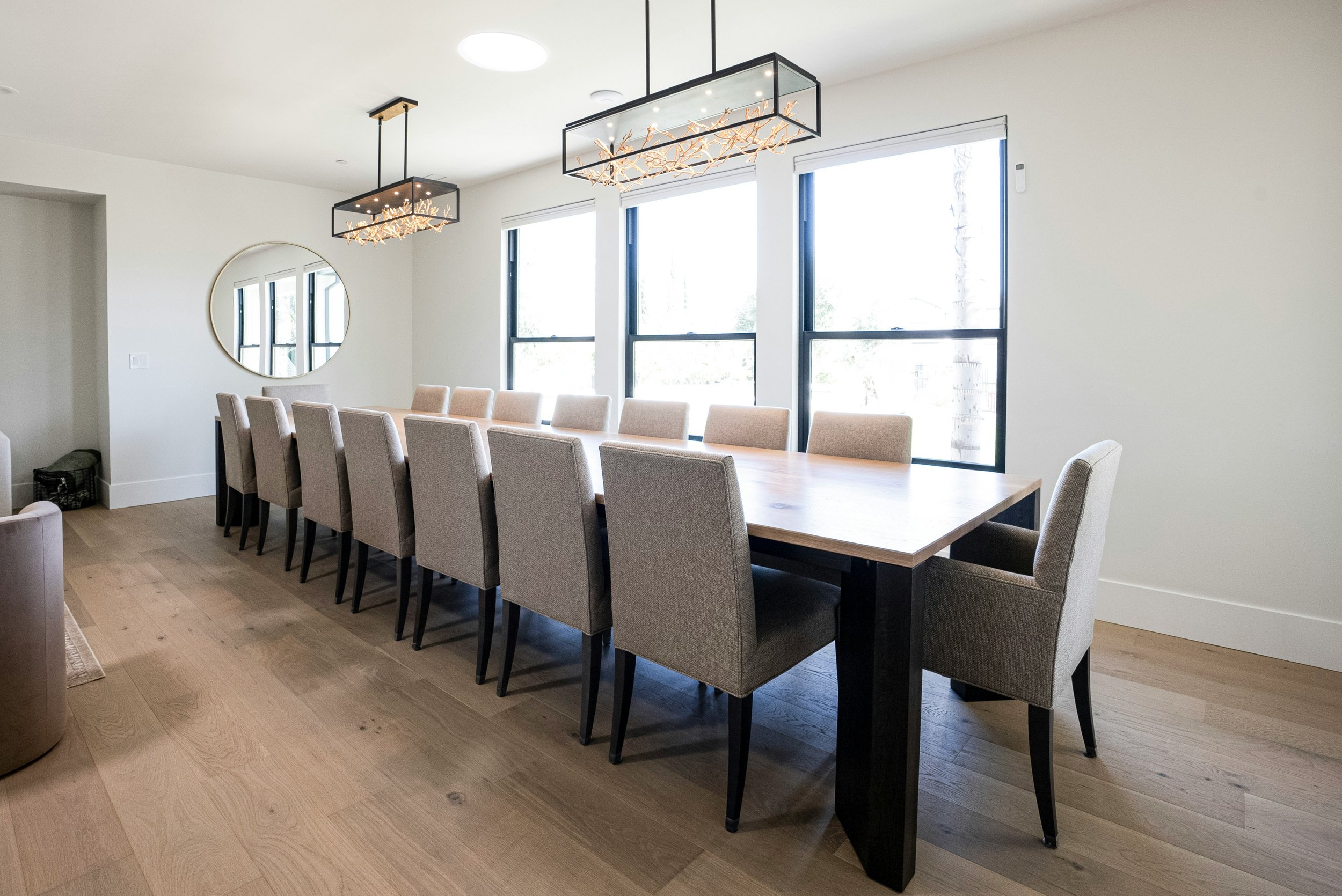
Many of us now have smart homes. We’ve tried to optimise every device and their timings for the best energy performance and comfort we can buy. But one of the most fundamental design considerations in any home is the quality of daylight. Natural light shapes how our homes feel more than whether we opt for brand X’s new TV over brand Y’s. Architects and designers don’t necessarily have to add more windows, but to use window systems that respond to the needs of contemporary buildings.
Comfort and performance
Designing for daylight is largely about understanding how people occupy and use a room. Light levels change throughout the day, of course – influenced by the season, weather, and the position of the sun. A generous window can make a huge difference to the brightness of a room, but it can also cause glare and raise indoor temperatures, which isn’t always wanted – though very welcome sometimes. Achieving a smart balance calls for a careful study of the building orientation and the activities expected for each room.
Smart window systems include adjustable openings and variable shading, and improve control of heat. These allow for more comfort and more customisability, while limiting the reliance on mechanical (often expensive) cooling and artificial lighting. When daylight design is handled well, people can enjoy a consistent quality of light to support work, leisure, and their well-being.
Window placement
Where windows are placed influences not just light but a room’s spatial organisation. Smaller openings on the east, for example, might limit glare during morning peaks. This can influence which parts of a room we use the most. Combining varied window sizes and positions sometimes creates a more complete relationship between indoors and out.
The form of the building is also important. Courtyards and light wells can help usher in daylight to deeper floor areas that might otherwise need constant, and costly electric lighting. Clerestory windows are sometimes used to bring high quality light into tall spaces without totally negating privacy.
Architectural decisions shape how people move through their buildings, where they spend their time, and how they enjoy and benefit from daylight. It affects the internal temperature, the sense of time of day, and the sense of the changing seasons.
Automation to improve efficiency
As buildings have become more complex, designers have started using systems that automatically manage light, temperature, and air quality. Automated window systems are one of the main components of this. They can adjust openings to improve natural ventilation, close during periods of strong sunlight to reduce heat, and work with shading devices. Electric window openers use smart technology to automatically operate based on environmental conditions. The level of control allows buildings to reduce energy use and keep spaces comfortable. It also supports healthy air circulation, which can help improve how people feel and perform through the day.
Automation doesn’t replace the need for thoughtful design, but it complements architectural choices. It allows the building to respond to current conditions. When a building is more tuned to the outdoors with sensors and software, the interior can be adjusted more quickly and precisely than we can manage manually.
Reducing energy use
Electric lighting is still a major part of building energy consumption. By improving how daylight is distributed, designers can lower the demands. Windows that allow more uniform light reduce the need for overhead fixtures. At the same time, limiting glare and excessive brightness can help maintain focus while we read or work on screens, for example. Smart systems help manage this.
In warmer climates, poor daylight management can push indoor temperatures beyond comfortable levels. This forces mechanical systems to compensate. Smarter window systems can help moderate the fluctuations and reduce the reliance on cooling equipment.
Buildings to support well-being
Daylight is one of the most valuable elements in architectural design. It shapes the atmosphere, supports health, and gives us a sense of time. Smarter window systems strengthen this by ensuring natural light enters our homes and places of work and leisure. The connection between light and our health is well established.
While we should still get outside whenever we can, when our indoors surroundings have natural light we’re more likely to feel positive and productive. Natural light improves our sleep, wards off seasonal depression, and is a priority among employees when considering their work environments. With thoughtful placement and automation, designers can create environments that are comfortable and functional throughout the year.